The Dailinpu community is closely surrounded by numerous industrial zones, with over 800 chimneys releasing emissions daily. This not only results in severe air pollution but also affects the health of local residents, such as an increased risk of lung cancer. To protect the local population, the government proposed the relocation of the village. However, many policies are incomplete, and the government has not been actively involved in the project. In light of the lessons learned from the past experience in Hongmao Harbor, the people have begun to protest. They were obstructed for many times. However, some proactive individuals have been dedicated to advocating for the community, guiding outsiders through the various stories of the area, with the hope of arousing more empathy.
As we look around, it’s a newly created land through land reclamation, and the coastline is no more visible. Our tour guide, who recalls his childhood, remembers that the first thing he used to do after school was to rush to the seaside to play with his classmates. At that time, there were coast guard personnel patrolling everywhere to defend against potential attacks from across the strait. However, now, this area has lost its value, and it’s dominated by industrial zones. On the artificial floating island, there is no promised riverside park; instead, there are oil tanks, pipelines, and petroleum transportation routes – National Highway No. 7.
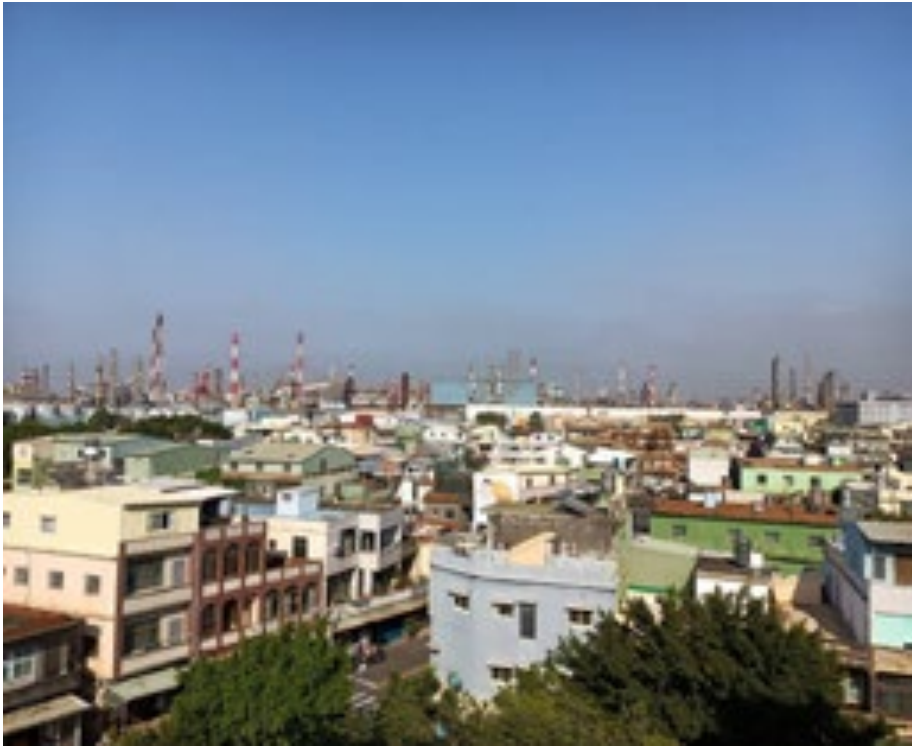
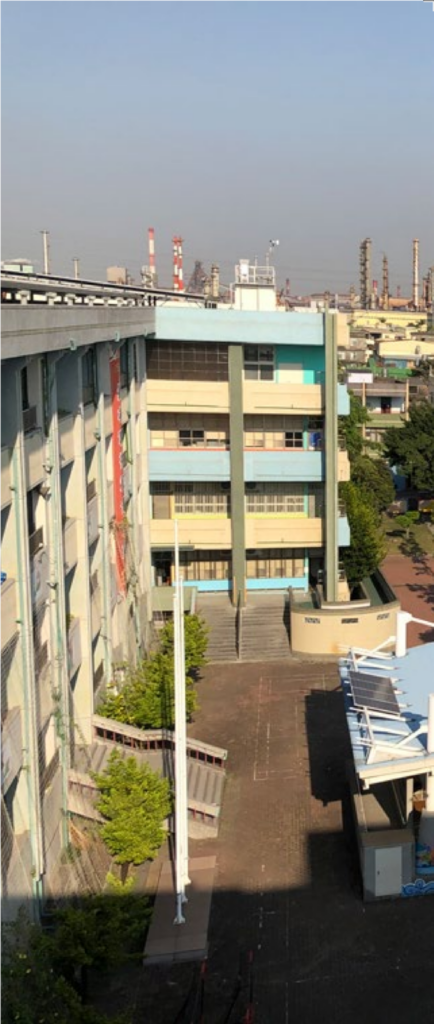
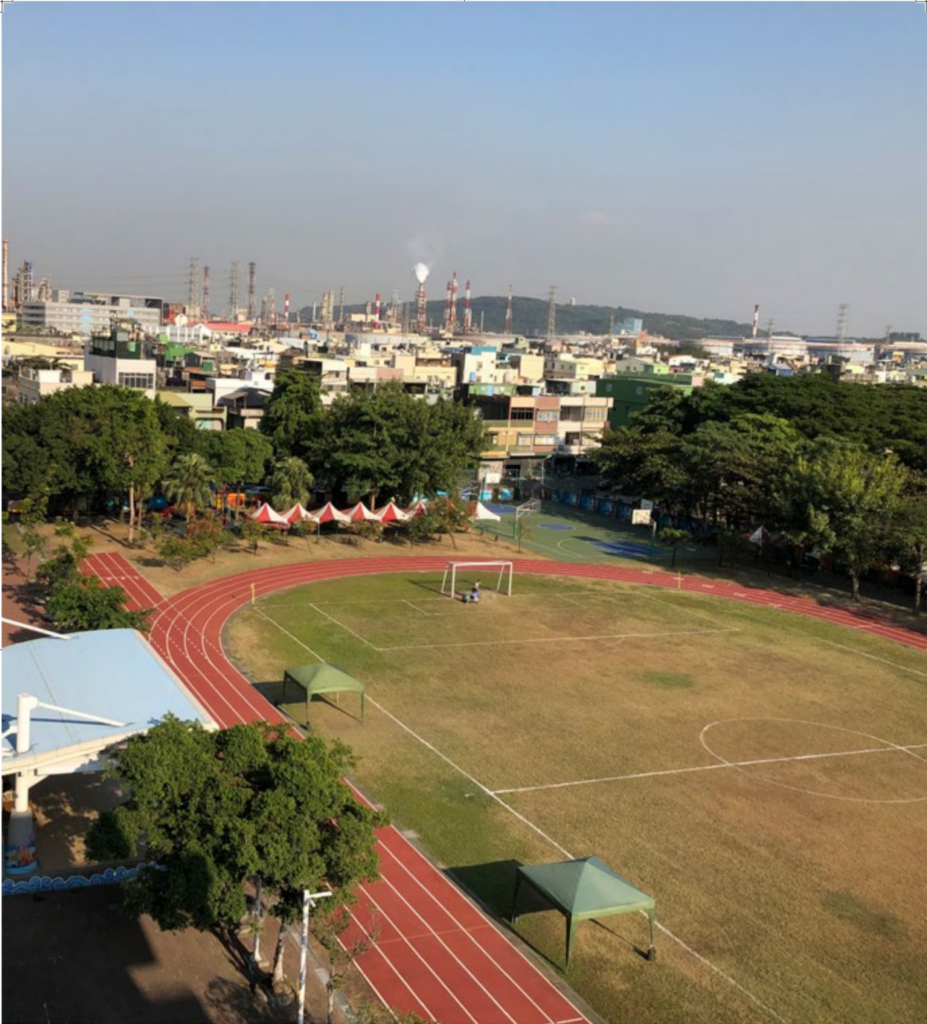
The conclusion drawn by local residents is that as long as the industrial conditions remain unchanged, the number of patients will continue to increase.
The closure of the Fourth Nuclear Power Plant initially led to a decrease in power supply, prompting the activation of thermal power generation, increasing from the initial 30% to the current 53%. This, in turn, accelerated air pollution in Dailinpu. Local residents also mention that while job opportunities have increased, with some companies even reserving positions for local residents, the health of Dailinpu residents has been deteriorating year by year. The government had promised industrial transformation, but it now seems like mere rhetoric.