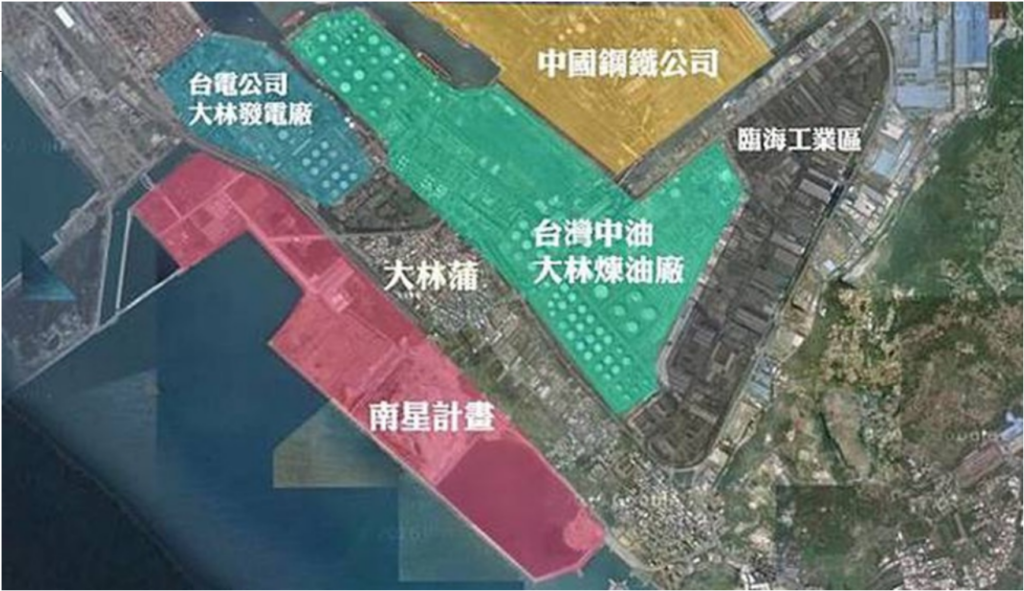
Dailinpu is a settlement located in the Xioagang District of Kaohsiung City, Taiwan. It is situated along the southwestern coast, facing the Taiwan Strait, with an industrial zone adjacent to its eastern side. To the north, there used to be Hongmao Harbor, which has now been relocated, while the southern boundary includes Bangkeng and Fengbitou.
Located in the leeward region of the northeastern monsoon:
→ Coal ash drifting into homes
Facing the Taiwan Strait to the west:
→ Natural sandy beaches
→ Coastal embayment effect causing beach expansion
→ Land reclamation has deprived the public of their right to use the beach
Fenglin Temple
Fenglin Temple, like temples in various parts of Taiwan, is the largest temple in Dailinpu and serves as the cultural hub of Dailinpu’s community activities.
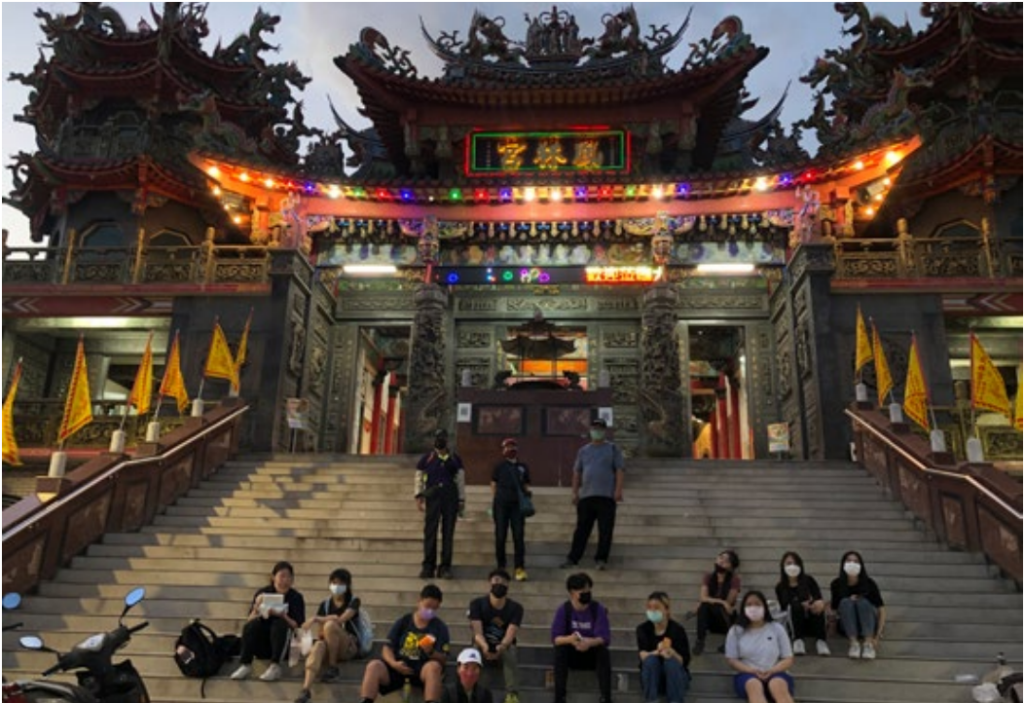
The history of Fenglin Temple dates back to the 36th year of Kangxi in 1697, providing protection to Dailinpu for over 300 years. It mainly worships “Lord Wen,” “Lord Zhu,” and “Lord Chi,” hence it is also known as the Three Lords Temple. In 1974, during the government’s development of the coastal industrial zone, a portion of Fenglin Temple’s original land was acquired. Seeing the temple’s aged condition, the faithful initiated a fundraising effort to rebuild it, which was completed in 1978.
Through five rounds of renovations, the temple has evolved from a single-story structure into a two-story building. Fenglin Temple occupies the second floor, while the first floor serves as a plaza where local residents often gather to relax and socialize. There’s a small stage in front of the temple, and many vendors set up stalls in the plaza. In addition to the daily morning market, there is also a night market every Thursday in the temple plaza, making it the most bustling economic hub in Dailinpu.
Temples serve as a vital indicator of community cohesion and are integral to the inheritance of cultural traditions. Fenglin Temple is a crucial religious and cultural center in Dailinpu, playing a significant role in the community’s spiritual and social life.
During the Qing Dynasty, Dailinpu was renowned for the saying “頂沖下蒲” where “沖” referred to the location of Youchang, and “蒲” referred to Dailinpu. Both places were known for their “飛脊厝,” houses with roof ridges that resembled those on temples. The architecture with roof ridges on both sides of the house symbolized success in the imperial examinations, highlighting scholarly achievements.
Every year, Fenglin Temple holds a thanksgiving ceremony that provides young actors with an opportunity to perform.
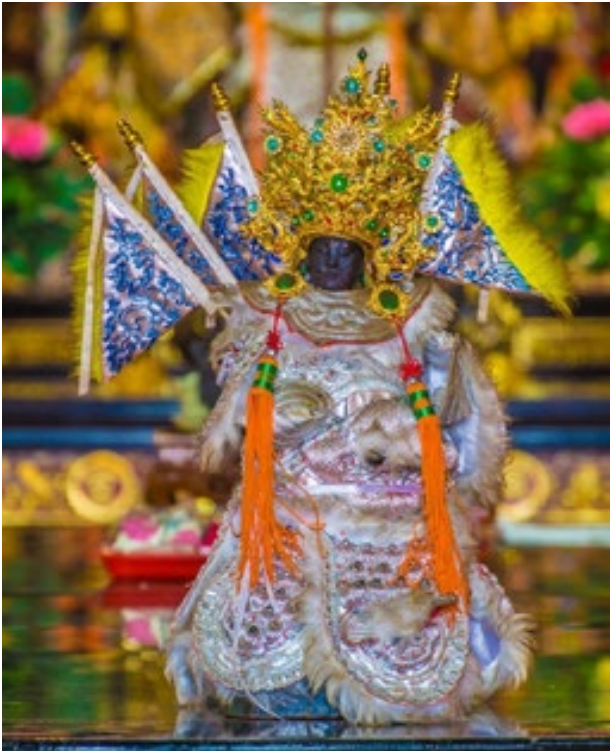
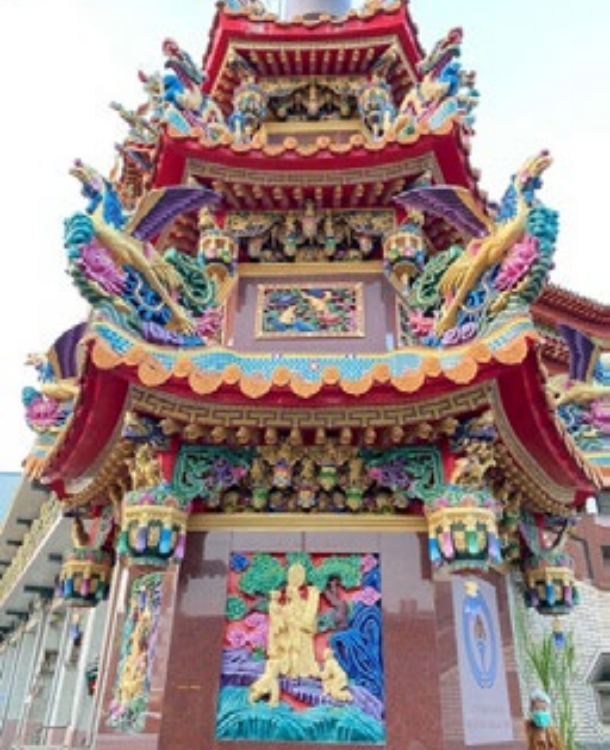
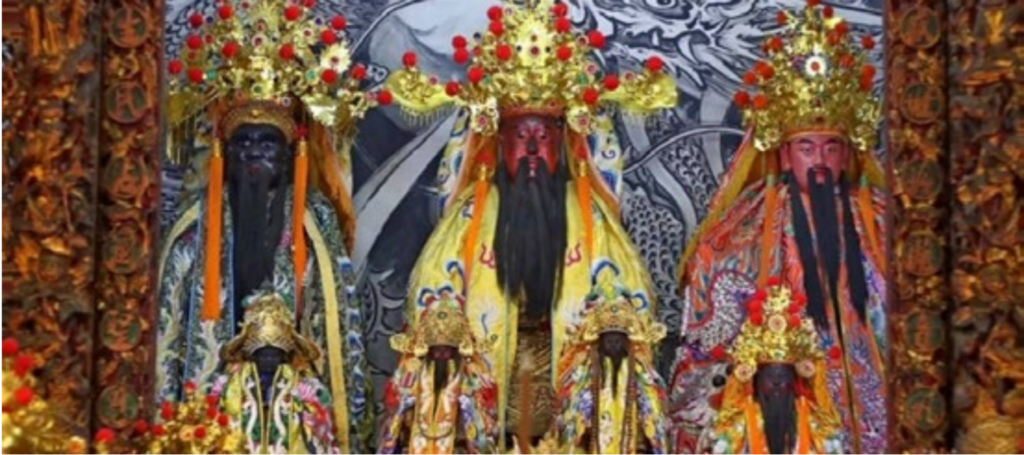
Three Deities of Fenglin Temple
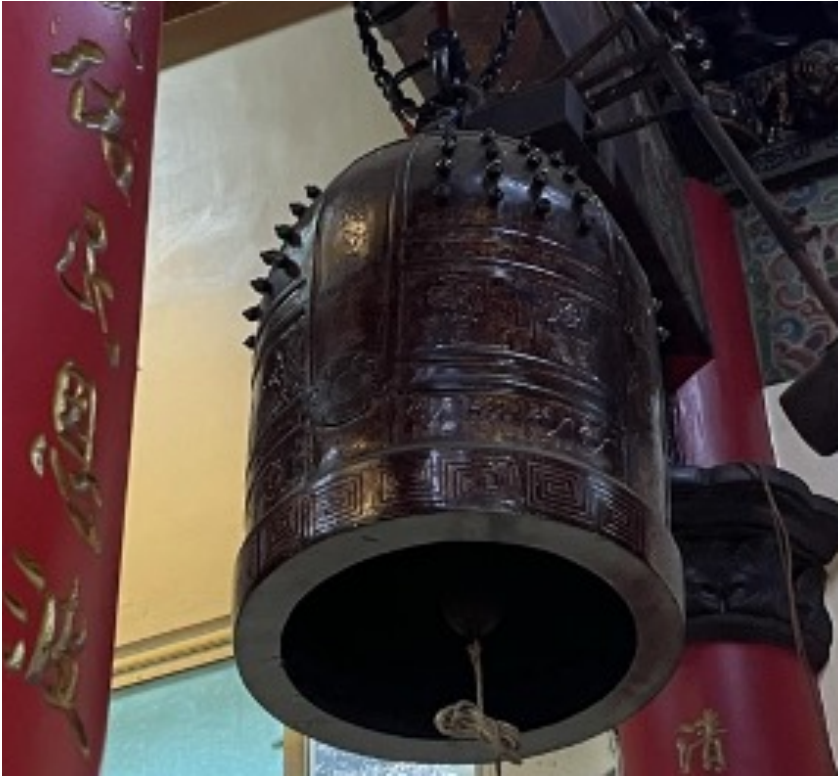
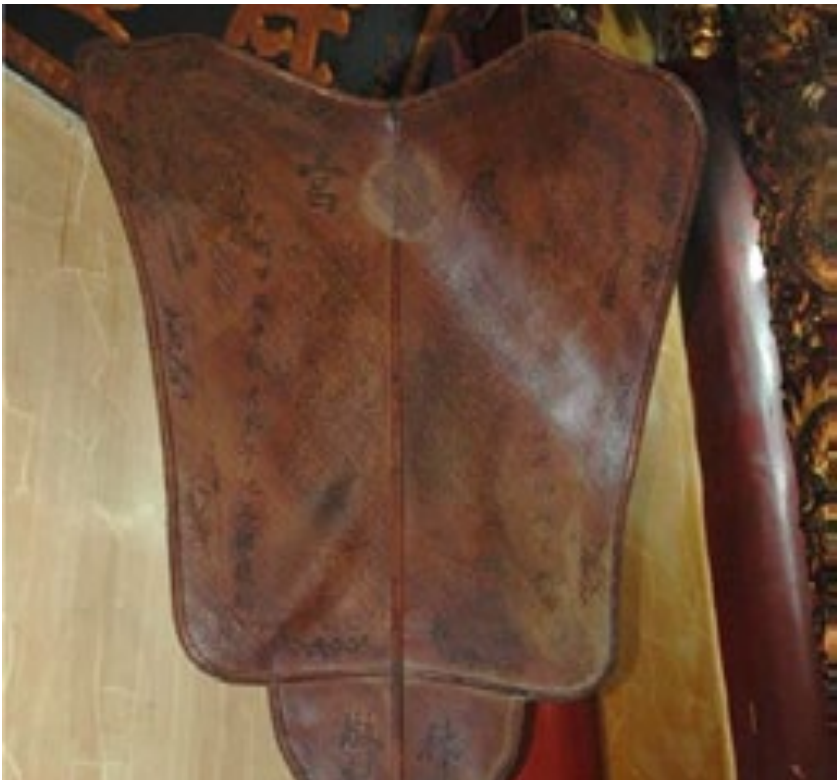
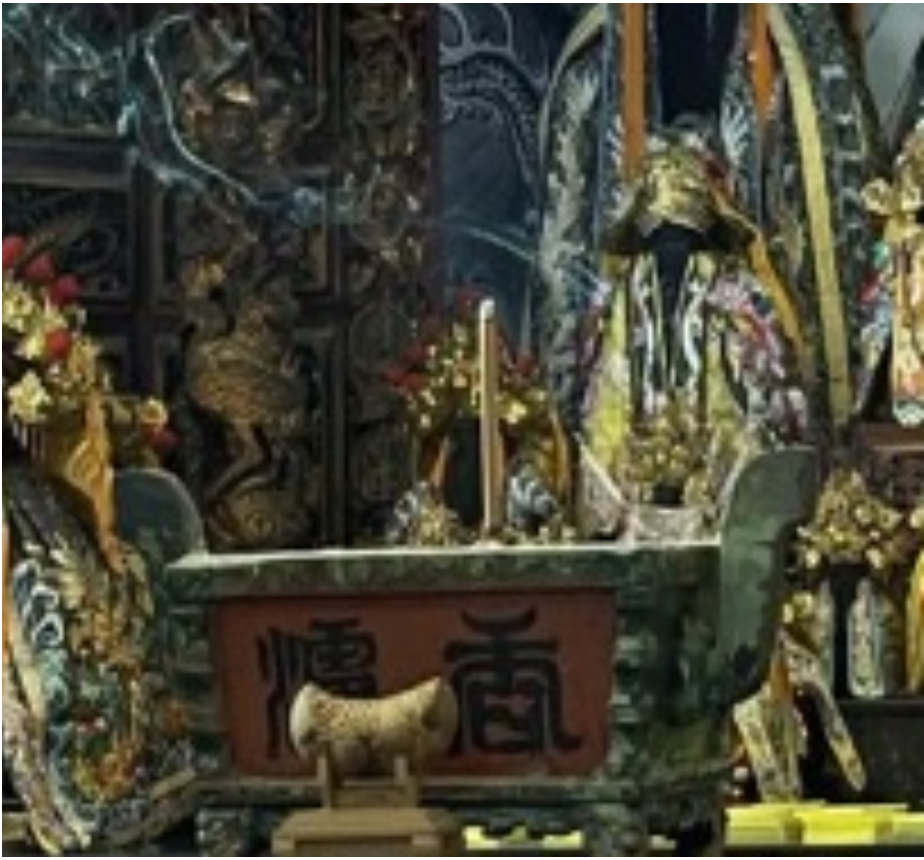
The temple fair square is an important community gathering place.
What else do you see?
Please provide a photo link in the comments section below and explain the story behind the photo.